
TNJ Sustainability & Resilience Toolkit: Sustainability Solutions
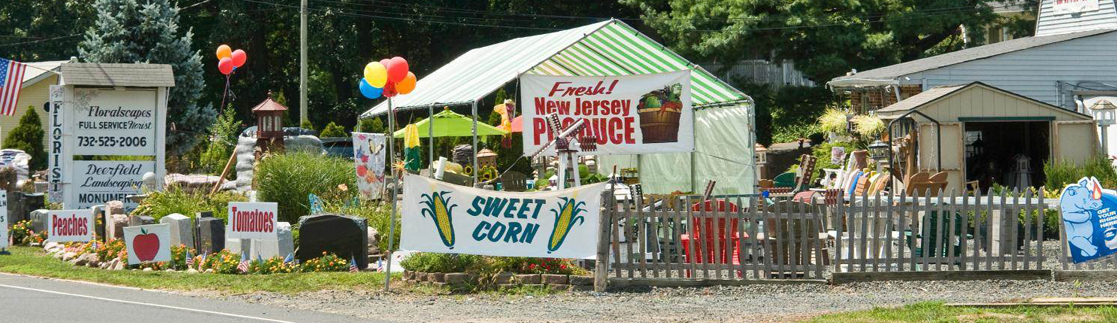
Local Food
In the conventional industrial food system, fresh and packaged foods may travel hundreds, even thousands of miles on planes, cargo ships, and trucks before being consumed. In a locally-based food system, food is produced and consumed within a locality or region (typically within 100 miles). A local food system decreases the distance food is transported before being consumed, reducing greenhouse gas emissions, air pollutants and energy use. Smaller-scale farms within a local food system are more likely to employ sustainable agriculture practices. Local food systems create economic opportunities for producers and vendors and provide residents with fresh, healthy food. Working with partners, counties and municipalities should help build a local food system consisting of growers (local farms, community gardens), manufacturers, distributors, vendors (farmers markets, restaurants, supermarkets) institutions (schools, hospitals, large employers) emergency food providers (food pantries, soup kitchens) consumers (local residents, visitors, and public food assistance recipients) and waste management (composting programs).
Related TNJ Plan Focus Areas
Implementation Strategies
Support local food production
Support local food production
Revise land use ordinances to allow for small scale food production and provide financial support.
Preserve farmland and assist farmers
Preserve farmland and assist farmers
Work with agencies, nonprofits and private citizens to preserve farmland and enable access to farm assistance.
Support community gardens
Support community gardens
Assist communities with limited access to fresh foods establish community gardens.
Set up a local farmers market
Set up a local farmers market
Establish a farmers market to support the local economy, new/small farmers and increase healthy food access.